Understanding Water Balance and Its Role in Body Composition
February 27, 2026 2026-03-05 18:10Understanding Water Balance and Its Role in Body Composition
 Malavika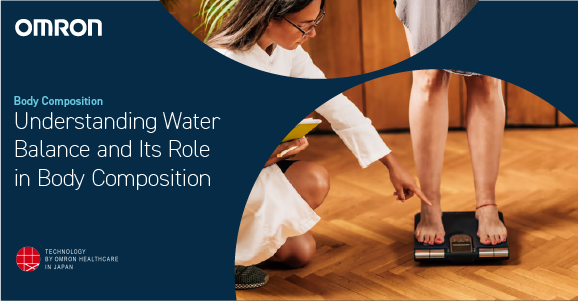
Understanding Water Balance and Its Role in Body Composition
Stepping on a weighing scale is part of many people’s daily routine. In fact, studies show that over 60% of health-conscious adults weigh themselves at least once a week, often to track fitness progress or stay aware of body weight. However, research also indicates that daily body weight can fluctuate by 0.5–2 kg purely due to changes in water balance, not fat or muscle. Yet the number on the scale often shapes how we feel about our health. That single number, however, does not tell the whole story.
One of the most important factors influencing body weight is water balance. Daily changes in hydration can affect how much you weigh, even when there is no change in fat or muscle. With today’s advanced tools like an Omron weight machine, it is now possible to understand how water fits into your overall body composition.
With reliable technology from Omron, individuals can track body weight with greater clarity and confidence, right from home.
What Is Water Balance?
Water balance refers to the amount of water your body holds at a given time. On average, water makes up about 50–60% of the human body. It supports essential functions such as digestion, circulation, temperature control, and muscle movement.
Every day, your body gains water through food and drinks and loses it through sweat, urine, and breathing. When this balance shifts, it can affect how you feel—and how your weight appears on a weighing scale.
Understanding water balance helps explain why weight can change from day to day, even when your eating and activity habits remain the same.
Why Water Balance Matters for Body Composition
Body composition is not just about how much you weigh. It looks at what your weight is made of—fat, muscle, bone, and water. Water plays a major role in this balance.
Water and weight changes
Short-term weight changes are often linked to:
- Hydration levels
- Salt intake
- Physical activity
- Hormonal changes
A weight scale machine will show these changes, but without context, the numbers can feel confusing. This is why understanding water balance is essential for accurate health tracking.
How Water Affects Body Weight Readings
It’s common to see weight increase after drinking more water or decrease after sweating. These changes are natural and temporary.
Why this happens
- Water adds to total body weight
- Muscles hold more water than fat
- Dehydration can lower weight temporarily
Relying only on a basic small weight scale may lead to incorrect conclusions. Advanced weighing scales help to separate real body changes from short-term water shifts.
Role of Digital and Electronic Weighing Scales
A digital weighing scale or electronic weighing scale does more than display a number. Many modern scales use smart technology to estimate body composition, including body water percentage.
Benefits of modern weighing scales
Compared to traditional scales, modern devices offer:
- Clear digital displays
- Better accuracy and consistency
- Insights into body water and fat
- Easier long- term tracking
This makes a digital weighing scale a more helpful tool for anyone serious about health monitoring.
Understanding Body Water Percentage
Body water percentage shows how much of your body weight comes from water. Maintaining healthy water levels supports energy, digestion, and muscle function.
What body water readings can indicate
- Low levels may suggest dehydration
- Sudden changes can explain weight fluctuation
- Balanced levels support overall wellness
A body fat scale that includes water measurement helps users understand daily weight changes without unnecessary worry.
Omron Weighing Scales and Water Balance Tracking
An omron weight machine is designed with medical-grade accuracy in mind. Omron’s experience in healthcare technology ensures that measurements are reliable and easy to understand.
Why Omron stands out
Omron weighing scales are built to:
- Deliver consistent readings
- Track more than just body weight
- Support daily health awareness
- Fit seamlessly into home routines
By using an Omron electronic weighing scale, users gain better insight into how hydration affects their weight and body composition over time.
Best Practices for Accurate Water-Related Measurements
To get reliable readings from your weight scale machine, consistency is key.
Simple habits for better results
- Measure at the same time each day
- Prefer morning readings before meals
- Avoid measuring after exercise or bathing
- Place the scale on a flat surface
- Focus on trends, not daily changes
Following these steps helps reduce confusion caused by normal water fluctuations.
Water Balance and Healthy Weight Management
Many people feel discouraged when the number on the weighing scale changes unexpectedly. Understanding water balance helps shift focus from short-term changes to long-term health.
Common examples
- Drinking more water may increase weight briefly
- High salt meals may cause water retention
- Muscle gain may raise body water levels
A body fat scale allows you to see these changes clearly and stay motivated.
Choosing the Right Weighing Scale
When selecting a weighing scale, it’s important to choose one that supports meaningful health tracking.
What to look for
- Accuracy and consistency
- Clear display
- Body composition features
- Trusted brand reputation
Whether it’s a small weight scale or a more advanced model, reliable data makes health tracking easier and more effective.
Final Thoughts
Water balance plays a major role in body composition and daily weight changes. Weight alone does not explain what is happening inside your body, and short-term fluctuations can be misleading.
With a digital weighing scale or electronic weighing scale from Omron, you gain a clearer understanding of how hydration affects your body. By focusing on body composition and water balance, you can track progress with confidence and make informed health choices.
Because real wellness is not just about watching the number change— it’s about understanding why it changes.
-
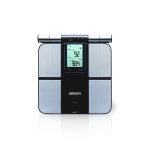
Omron HBF 702T Bluetooth Body Composition Monitor
₹13,592.00
₹16,990.00 -
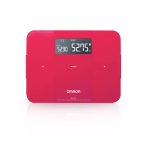
Omron HBF 255T Body Composition Monitor
₹10,320.00
₹12,900.00 -
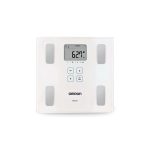
Omron HBF 222T Bluetooth Body Composition Monitor
₹4,399.00
₹5,950.00