The Role of Protein Timing in Improving Muscle Mass Metrics
December 12, 2025 2025-12-15 13:19The Role of Protein Timing in Improving Muscle Mass Metrics
 Malavika
The Role of Protein Timing in Improving Muscle Mass Metrics
Building muscle isn’t just about lifting weights — it’s about fueling your body at the right time. While total daily protein intake is important, protein timing has become a key factor in optimizing muscle growth, recovery, and long-term strength.
Today, with advanced home tools such as a digital weighing scale, body composition analyzer, and electronic weighing machine, people can track muscle mass, fat percentage, and overall progress from home. These devices show clearly how nutrition strategies like protein timing impact your body metrics.
In this blog, we explore why protein timing matters, how it influences muscle mass, and how you can use tools like a weight machine, digital weight machine, or bmi weight machine to monitor results accurately.
What Is Protein Timing?
Protein timing refers to when you consume protein in relation to your workouts, sleep cycle, and daily energy needs. Instead of spreading protein randomly throughout the day, strategic timing ensures your muscles receive the right nutrients at the right moment.
Your muscles go through cycles of breakdown and repair. To improve muscle mass, you need to supply amino acids (from protein) exactly when your muscles are primed to absorb them.
This timing becomes even more impactful when you track muscle changes using tools such as a body composition analyzer or digital weight machine for human.
Why Protein Timing Matters for Muscle Growth
1. Maximizes Muscle Protein Synthesis (MPS)
MPS is the process by which muscles repair and grow after a workout.
Protein timing — especially before and after exercise — stimulates MPS and enhances muscle-building efficiency.
2. Reduces Muscle Breakdown
When your body lacks protein for extended periods, it turns to muscle tissue for energy.
Proper timing prevents unnecessary breakdown.
3. Improves Recovery
After intense training, muscles need protein to recover. Timely intake supports faster healing and helps improve performance.
4. Supports Lean Body Mass
When combined with regular tracking using a weight scale machine or electronic digital weighing scale, protein timing helps you maintain a healthy muscle-to-fat ratio.
5. Enhances Strength and Performance
Studies show that athletes and fitness enthusiasts who follow a structured protein timing routine experience greater strength gains.
Key Protein Timing Strategies You Should Know
1. The Anabolic Window (30–60 Minutes Post-Workout)
This is the golden period when your muscles are most receptive to protein.
Taking 20–30 grams of high-quality protein within one hour after exercise boosts muscle recovery.
Tracking your post-workout progress using a home weight machine can help you understand how well your routine works.
2. Pre-Workout Protein (1–2 Hours Before Training)
Eating protein before a workout:
- stabilizes blood amino acid levels
- supports muscle endurance
- reduces soreness
- maintains strength during explosive movements
A body fat analyzer can help track whether pre-workout nutrition affects your muscle and fat distribution over time.
3. Protein Before Bed
Nighttime protein — particularly casein — supports muscle recovery while you sleep.
This helps maintain muscle quality and size, especially useful for:
- senior adults
- athletes
- people trying to gain muscle mass
Your digital weighing scale or electric weight machine can help track morning weight fluctuations influenced by overnight protein metabolism.
4. Morning Protein Intake
After fasting overnight, your muscles are low on amino acids. A protein-rich breakfast boosts metabolism and stops muscle breakdown.
Using a weight weighing machine and bmi weight machine helps monitor how morning nutrition influences daily energy and muscle mass.
5. Distributing Protein Throughout the Day
Instead of consuming most of your protein at night, spreading intake evenly ensures your muscles receive constant support.
Research suggests:
25–30 grams of protein every 3–4 hours optimizes muscle-building processes.
A body composition analyzer tracks whether your distribution pattern supports muscle growth.
How Much Protein Do You Really Need?
While needs vary by age, activity, and goals, the general rule is:
- 0.8g–1g protein per kg of body weight for general health
- 1.2g–2.0g protein per kg of body weight for muscle building or athletic training
Use a digital weight machine for human or electronic weighing machine to track changes in body weight and adjust protein intake accordingly.
How Protein Timing Improves Muscle Mass Metrics
Muscle mass metrics include:
- skeletal muscle percentage
- lean body mass
- metabolic age
- muscle quality
- water balance
These metrics shift noticeably when you optimize protein timing. Devices like a body composition analyzer and body fat analyzer reflect these improvements clearly.
Results You Can Expect:
✔ Increased lean muscle
✔ Lower body fat percentage
✔ Higher metabolic rate
✔ Improved strength levels
✔ Better muscle tone
Using an electronic weighing scale or digital weight machine helps you track these positive changes with precision.
Pairing Protein Timing With Proper Tracking
To understand how protein timing affects your progress, it’s essential to monitor changes using reliable tools:
✔ Digital Weight Machine
Tracks overall weight to ensure muscle gain is not overshadowed by fat gain.
✔ Body Composition Analyzer
Measures skeletal muscle, body fat, water percentage, and more.
✔ BMI Weight Machine
Helps track long-term changes in weight relative to height.
✔ Electronic Digital Weighing Scale
Gives consistent, accurate measurements for continuous monitoring.
✔ Electric Weight Machine
Ideal for families to track weight and fitness progress.
These devices ensure you make informed adjustments to your protein and workout routine.
Best Sources of High-Quality Protein
To fuel muscle growth effectively, include:
- eggs
- chicken
- tofu & paneer
- whey protein
- Greek yogurt
- lentils & beans
- nuts & seeds
- fish
The right protein at the right time multiplies your muscle-building potential.
Common Mistakes to Avoid in Protein Timing
- Taking too much protein at once — excess gets unused
- Skipping post-workout protein
- Not drinking enough water — affects protein digestion
- Relying only on protein shakes instead of whole foods
- Ignoring total daily protein intake
Tracking your progress with your home weight machine or digital weighing scale ensures you avoid long-term mistakes.
Conclusion
Protein timing is more than a fitness trend — it’s a scientifically proven strategy to build better muscle mass, improve recovery, and enhance long-term health. When paired with accurate tracking tools such as a digital weight machine, body composition analyzer, electric weight machine, or electronic digital weighing scale, you gain clear evidence of your progress.
Whether you’re an athlete, beginner, or simply aiming to stay healthy, optimizing your protein timing can dramatically improve your muscle mass metrics and overall performance.
-
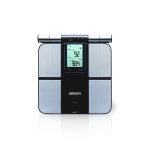
Omron HBF 702T Bluetooth Body Composition Monitor
₹13,592.00
₹16,990.00 -
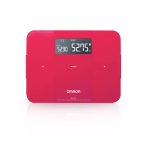
Omron HBF 255T Body Composition Monitor
₹10,320.00
₹12,900.00 -
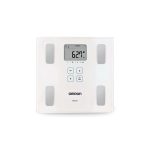
Omron HBF 222T Bluetooth Body Composition Monitor
₹4,399.00
₹5,950.00