The Relationship Between Protein Intake and Muscle Mass Growth
November 28, 2025 2025-11-28 14:48The Relationship Between Protein Intake and Muscle Mass Growth
 Malavika
The Relationship Between Protein Intake and Muscle Mass Growth
If you’ve ever started a fitness journey, one term you’ve likely heard repeatedly is protein. From gym-goers to nutritionists, everyone emphasizes the importance of protein for building muscle. But what’s the real science behind it? How much protein do you actually need, and how can you track your muscle growth effectively?
This is where technology meets fitness — with tools like the OMRON body composition analyzer and body fat analyzer, you can measure your muscle mass and track changes over time with precision. Understanding how protein supports muscle growth and how to monitor your body composition will help you build a stronger, healthier body.
Why Protein Is Essential for Muscle Growth
Protein is often called the “building block of life” — and for good reason. Every cell in your body contains protein, but muscles rely on it the most for growth and repair.
How Protein Helps Build Muscle
When you exercise — especially strength training or resistance workouts — your muscle fibers experience small tears. Protein helps repair these tears by forming new muscle fibers, which in turn increases muscle size and strength.
The process, known as muscle protein synthesis (MPS), depends on two key factors:
- Sufficient protein intake
- Regular physical activity (especially resistance exercise)
Without enough protein, your body struggles to repair and build new muscle tissue, slowing down your progress — even if you work out regularly.
How Much Protein Do You Really Need?
Your daily protein requirement depends on your age, body weight, and activity level.
Recommended Protein Intake:
- Sedentary adults: 0.8 grams of protein per kg of body weight per day
- Active adults or regular exercisers: 1.2–1.8 grams per kg of body weight per day
- Strength athletes or bodybuilders: 1.6–2.2 grams per kg of body weight per day
For example, if you weigh 70 kg and exercise regularly, you should aim for about 100–130 grams of protein daily.
A body composition analyzer can help you fine-tune this requirement by showing your muscle mass and body fat percentage, allowing you to personalize your protein intake based on your goals.
Protein Sources for Optimal Muscle Gain
Protein can come from both animal and plant sources. Each has unique benefits.
1. Animal-Based Proteins
These are complete proteins, meaning they contain all nine essential amino acids needed for muscle repair and growth.
Examples:
- Chicken, turkey, eggs, fish
- Greek yogurt, milk, cheese
- Lean beef and seafood
2. Plant-Based Proteins
While some plant sources lack one or more amino acids, combining them can provide complete nutrition.
Examples:
- Lentils, chickpeas, tofu, and edamame
- Quinoa, chia seeds, and hemp seeds
- Peas, nuts, and whole grains
Adding a variety of these to your meals ensures you’re getting the right mix of amino acids for muscle development.
The Role of Timing: When to Consume Protein
Eating protein isn’t just about how much you consume — when you eat it also matters.
1. Pre-Workout Protein
Consuming protein 1–2 hours before your workout helps fuel muscles and prevents excessive breakdown during training.
2. Post-Workout Protein
After your workout, your muscles are primed to absorb nutrients. This is when protein intake becomes most effective. Experts recommend consuming 20–40 grams of protein within 30–60 minutes post-exercise.
3. Throughout the Day
Distribute your protein intake evenly across meals — breakfast, lunch, and dinner — to maintain a steady supply of amino acids for muscle repair.
How to Measure Muscle Mass Growth Accurately
While eating the right amount of protein is important, it’s equally crucial to track how your body is responding to it. Traditional weighing scales can’t tell you whether you’re gaining muscle or fat — but a body composition analyzer can.
Why Use a Body Composition Analyzer
Devices like the OMRON body composition analyzer use Bioelectrical Impedance Analysis (BIA) to measure:
- Skeletal muscle mass
- Body fat percentage
- Visceral fat levels
- Body water percentage
This gives a complete picture of your body composition, helping you understand whether your diet and exercise plan are actually building muscle or simply adding weight.
Benefits of Using OMRON Devices
- Precision: OMRON analyzers provide medically validated accuracy.
- Ease of use: Simple, quick measurements from home.
- Smart connectivity: Sync data with the OMRON Connect App to track long-term progress.
How Fat and Water Affect Muscle Growth
While protein and muscle mass are closely linked, body fat and water percentage also play important roles in fitness and performance.
Body Fat and Muscle Definition
Too much fat can mask muscle definition and hinder performance. Tracking fat percentage with a body fat analyzer helps you ensure that your muscle gains are lean and healthy, not accompanied by excess fat.
For men, a healthy body fat percentage typically ranges between 10–20%, and for women, between 20–30%.
Body Water Percentage
Muscles are composed of about 75% water. Proper hydration is crucial for protein synthesis, nutrient delivery, and post-workout recovery. A digital weighing scale with water-tracking functionality ensures that you stay properly hydrated, supporting optimal muscle function and recovery.
Why Body Composition Tracking Is Better Than Weight Tracking Alone
Most people rely on a body weight scale to check progress — but that number can fluctuate daily due to water retention, glycogen storage, or digestion. This doesn’t necessarily mean you’ve gained or lost fat or muscle.
A digital weight machine or electronic weighing machine with body composition tracking capabilities provides far more reliable insights. You’ll be able to distinguish between:
- Lean muscle gain (a healthy increase)
- Fat gain (needs attention)
- Water fluctuations (temporary changes)
With the OMRON body weight machine, you can easily track your muscle mass, fat levels, and hydration over time to make informed adjustments to your fitness routine.
Tips for Maximizing Muscle Growth
- Prioritize Strength Training: Focus on compound exercises like squats, deadlifts, and bench presses.
- Get Enough Rest: Muscles grow during recovery — aim for 7–8 hours of sleep.
- Stay Hydrated: Water supports protein metabolism and muscle repair.
- Monitor Progress: Use a digital weighing scale or home weight machine to track consistent improvements.
- Balance Macronutrients: While protein is key, don’t ignore carbs and healthy fats. They fuel workouts and aid recovery.
Weighing Scale Price vs. Long-Term Value
When comparing weighing scale prices, consider long-term benefits. A standard body weight scale only measures total weight, but a smart digital weight machine or body composition analyzer from OMRON Healthcare gives you detailed health insights that help you make real progress.
By investing in a high-quality electronic weighing machine, you gain access to precise data that supports better fitness outcomes and overall health management.
Conclusion: Protein and Progress Go Hand in Hand
Protein is the cornerstone of muscle growth, but true progress comes from understanding what’s happening inside your body. With accurate tracking through OMRON’s body composition analyzers and digital weighing scales, you can align your diet, training, and recovery for optimal results.
Whether you’re a fitness enthusiast, athlete, or simply someone looking to improve health, pairing proper protein intake with reliable body composition monitoring ensures you build muscle the right way — stronger, leaner, and healthier.
OMRON Healthcare — empowering smarter fitness decisions with precision technology for your body, your health, and your future.
-
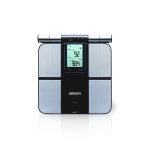
Omron HBF 702T Bluetooth Body Composition Monitor
₹13,592.00
₹16,990.00 -

Omron HBF 255T Body Composition Monitor
₹10,320.00
₹12,900.00 -

Omron HBF 222T Bluetooth Body Composition Monitor
₹4,399.00
₹5,950.00